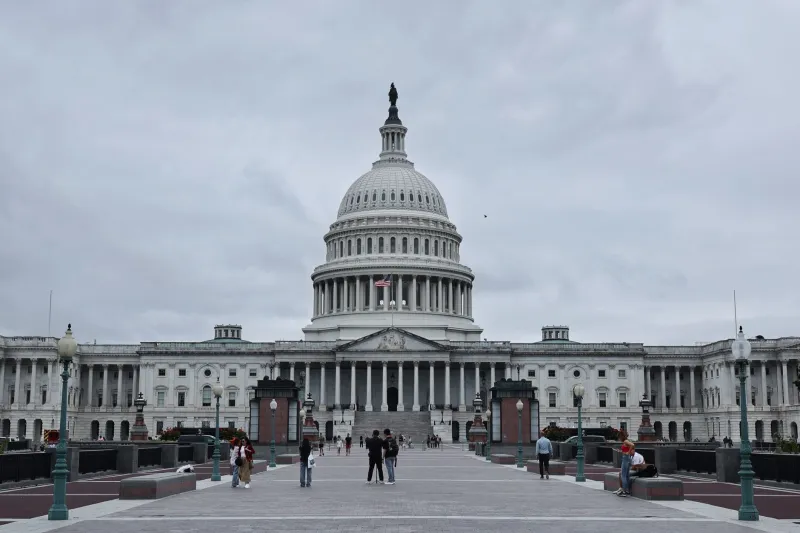
West Wing to K Street: The Quiet Fortunes Waiting for Former White House Insiders
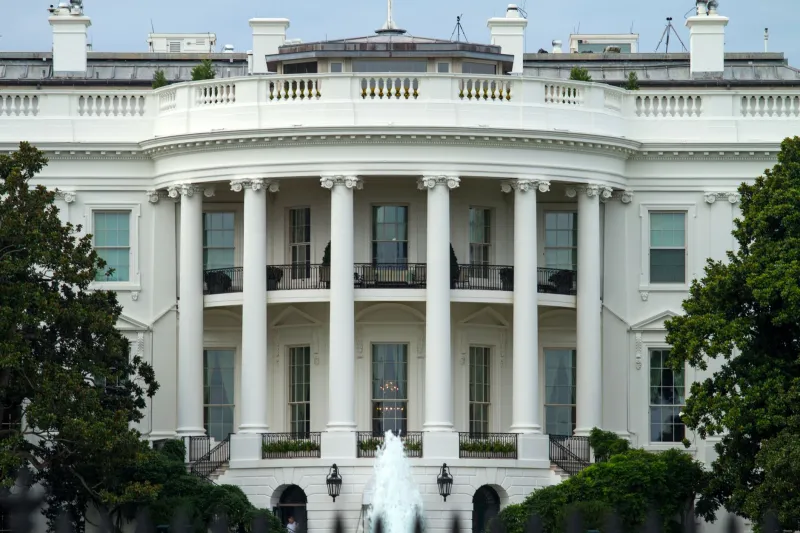
The West Wing badge gets surrendered on the last day of employment. What doesn't get surrendered — not easily, not quickly, and not cheaply — is the knowledge, the contact list, and the institutional memory that comes with it. For a growing class of former White House staffers, that residual currency is worth considerably more than their government salaries ever were.
DOE News reviewed public lobbying disclosures, corporate filings, and speaking bureau records spanning three administrations to trace how former presidential aides translate proximity to power into private-sector income. The pattern is consistent, accelerating, and largely invisible to the public it ultimately affects.
The Transition Timeline
Federal ethics rules prohibit certain forms of direct lobbying contact with former colleagues for one to two years following departure from senior executive branch positions. On paper, that cooling-off period is intended to prevent the immediate resale of government relationships. In practice, it functions more like a runway — time used to position, brand, and prepare for monetization rather than to genuinely sever ties.
Several former senior directors from the National Security Council, for instance, have joined strategic advisory firms within weeks of resignation, accepting titles such as "senior advisor" or "geopolitical risk consultant" that technically sidestep the statutory lobbying definitions. Their clients — defense contractors, foreign-linked investment funds, and multinational technology corporations — are paying not for generic expertise, but for calibrated insight into how specific decision-makers inside the current administration are likely to respond to specific pressures.
"The product being sold isn't analysis," said one former ethics compliance officer who requested anonymity due to ongoing consulting relationships. "The product is the phone call that gets returned."
Speaking Fees as a Shadow Revenue Stream
Beyond formal consulting arrangements, the speaking circuit has emerged as one of the most lucrative and least scrutinized channels through which former White House staff convert access into income. Bureaus representing former senior aides routinely advertise fees ranging from $25,000 to $150,000 per engagement — with financial services firms, pharmaceutical industry conferences, and technology trade associations among the most frequent buyers.
These events are rarely public. They are not subject to the disclosure requirements that govern registered lobbying. And the substance of what is communicated — what a former deputy chief of staff says to a room of hedge fund managers about anticipated regulatory shifts — leaves no paper trail whatsoever.
The financial services sector has been particularly aggressive in recruiting former White House economic advisors for closed-door briefings ahead of anticipated Federal Reserve decisions or Treasury Department rulemaking. One former senior economic aide, who departed the administration in the second year of a recent presidency, collected fees from at least four major investment banks within the following eighteen months — all during a period when the administration was actively shaping interest rate policy guidance.
Board Seats and the Longer Game
For the most senior former staffers, the most financially significant transition is onto corporate boards. These appointments carry annual retainers often exceeding $200,000, supplemented by equity grants that compound over time. They also carry a strategic function that consulting fees alone cannot replicate: a former White House chief of staff or national security advisor on a company's board signals, to regulators, to competitors, and to foreign counterparts, that the company operates in proximity to power.
The pharmaceutical and defense industries have been especially deliberate in this recruitment. Companies facing regulatory scrutiny or seeking government contracts have consistently added former White House personnel to their boards during or immediately following periods of heightened federal review. The correlation between board appointment timing and pending regulatory decisions is, in several documented cases, difficult to attribute to coincidence.
The Enforcement Gap
The Office of Government Ethics issues guidance and receives financial disclosure forms. It does not, however, have enforcement authority over most post-employment conduct. The Department of Justice technically holds that authority, but prosecutions under the revolving door statutes are extraordinarily rare — fewer than a handful over the past two decades.
Ethics watchdog organizations have repeatedly called for mandatory public disclosure of all post-government income earned within five years of White House service, mandatory cooling-off periods of four years for the most senior aides, and criminal referral standards that reflect the actual market value of the access being sold. None of those proposals have advanced through Congress, where many members are themselves former executive branch officials or the recipients of fundraising from the consulting firms that benefit from the current arrangement.
What the Public Is Actually Paying For
The argument made by former officials — and by the firms that hire them — is that government experience produces genuine expertise, and that the private sector benefits from that expertise in ways that ultimately improve decision-making. There is a version of that argument that is defensible. There is also a version of it that is a sophisticated rationalization for the sale of something that was never supposed to be for sale.
When a former White House communications director advises a pharmaceutical company on how to frame a drug pricing message to a specific congressional committee, the value being delivered is not communications expertise. It is the knowledge of which arguments land with which staffers, which members are persuadable, and which pressure points exist inside a process that the public funded and the public was meant to benefit from.
The revolving door at 1600 Pennsylvania Avenue does not just spin — it compounds. Each rotation produces relationships, and each relationship produces future rotations. The system is self-reinforcing, and the people rotating through it are, by definition, among the most capable operators in American public life. Fixing it will require more than a cooling-off period. It will require a genuine reckoning with what public service is actually for.